


How long with my car battery last?
How long with my car battery last?
Car Batteries....when to replace?
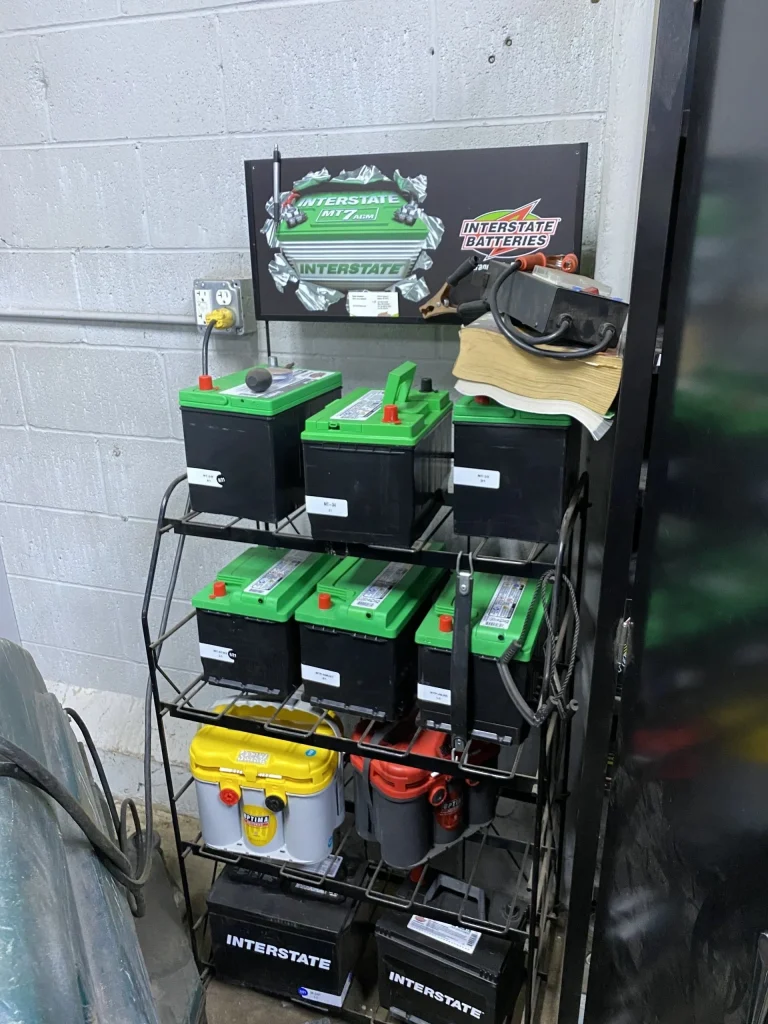
How long do car batteries last?
This is not a simple question but there are a few rules to go by when considering replacement of your car battery. Three key factors affect the life of a car battery: time, heat and vibration.
Car batteries have a shelf life - 3 to 5 years...
Batteries gradually deteriorate until they can no longer provide enough power to start an engine. This wear time could take three to five years and a vehicle's usage pattern is one factor contributing to the rate at which a battery will age. Batteries in cars driven mostly on short trips may not fully recharge and batteries in vehicles parked for extended periods naturally self-discharge. Where you live ~ affects battery life
Heat facilitates the chemical reaction car batteries use to generate electricity, but it also increases the rate of battery degradation. In cooler northern climates like Wisconsin, a battery may last five years or longer, but in hot southern locales, a car battery will typically last approximately three years.
Hold down hardware prevents excessive vibration
Vibration causes internal battery parts to break down. To minimize vibration effects, use special hold down hardware to secure the battery in place and prevent it from moving. Missing or loose hold down hardware can significantly shorten battery life.
Malfunctioning charging system reduces battery life
A malfunctioning charging system can also reduce battery life, such as persistent under- or over-charging. Some newer cars with absorbent glass mat (AGM) batteries require careful control of charging rates for maximum battery life, and the automaker may even alter the charging strategy as the battery ages. Allowing any car battery to go completely dead will take a big chunk out of its lifespan, even if you can recharge and put the dead battery back in service.
Weak battery warning signs
You may have a battery problem if the starter motor cranks the engine slowly or the Battery/Charging warning lamp illuminates on the dashboard. In older models, dim incandescent headlights, particularly when the car is idling, indicates a weak battery.
Car batteries are not one-size-fits-all
You must consider the battery type, physical size, terminal configuration, and cold cranking amps (CCA) or amp-hour (Ah) rating to ensure you get a car battery that properly fits and functions for your make and model vehicle. Installing an incorrect battery can adversely affect the car's electrical system and cause major damage if the terminal locations create a short circuit with nearby components.
Install the correct replacement battery
Batteries are either conventional lead-acid or the more advanced AGM design previously mentioned. Most cars on the road today use conventional batteries and some models use AGM batteries. These batteries are highly spill resistant and better able to handle repeated discharging and recharging, as occurs in cars that have engine stop-start systems to improve fuel economy.
What is a cold cranking amps rating?
The cold cranking amps rating, for example 650 CCA, is an industry standard measure of how much electrical power a battery can provide at zero degrees Fahrenheit. Never confuse this rating with "cranking amps" (CA), a rating based on an easier test that produces inflated numbers. Some import automakers state battery power requirements using an amp-hour rating, for example 78 Ah. This rating is based on the number of minutes a battery can provide a specified level of electrical current, typically 20 amperes. To avoid electrical system problems and a visit to the repair shop, never install a battery with a CCA or Ah rating that is lower than what the vehicle manufacturer recommends. A higher-rated battery will work if it fits properly, but is usually unnecessary and may have a shorter service life in hot climates.
Purchase replacement battery from a professional
When your car needs a new battery, always purchase one from a knowledgeable repair facility or seller with fresh stock. You do not want a battery that has already lost a good portion of its service life sitting on a shelf. Also, look for a battery with an extended full-replacement warranty. Quality batteries offer free replacement for three or more years if there is a problem within that period. A warranty that enters a pro-rated replacement period sooner will require a partial payment to replace the battery once the full-coverage term expires.
